Batteries for Emergencies: What to Buy and How to Store Them
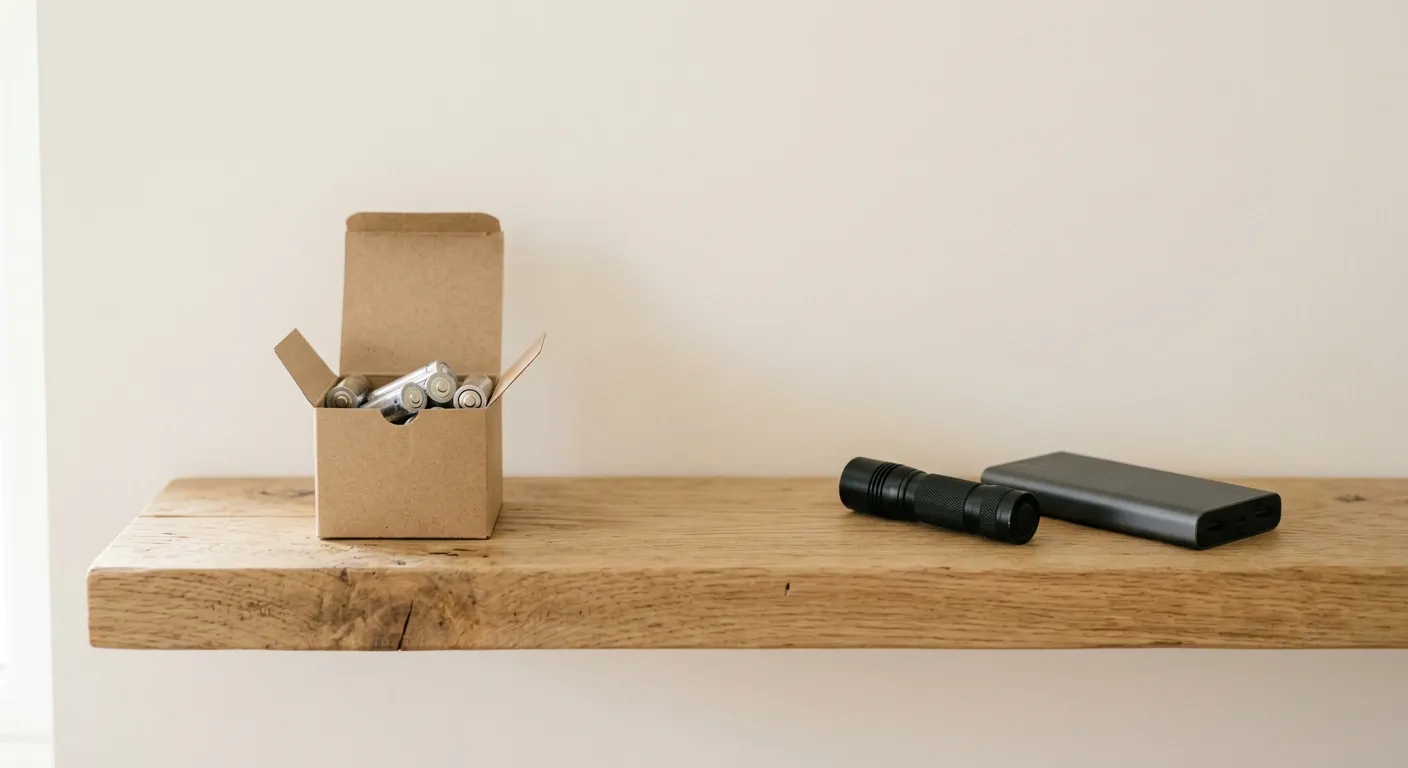
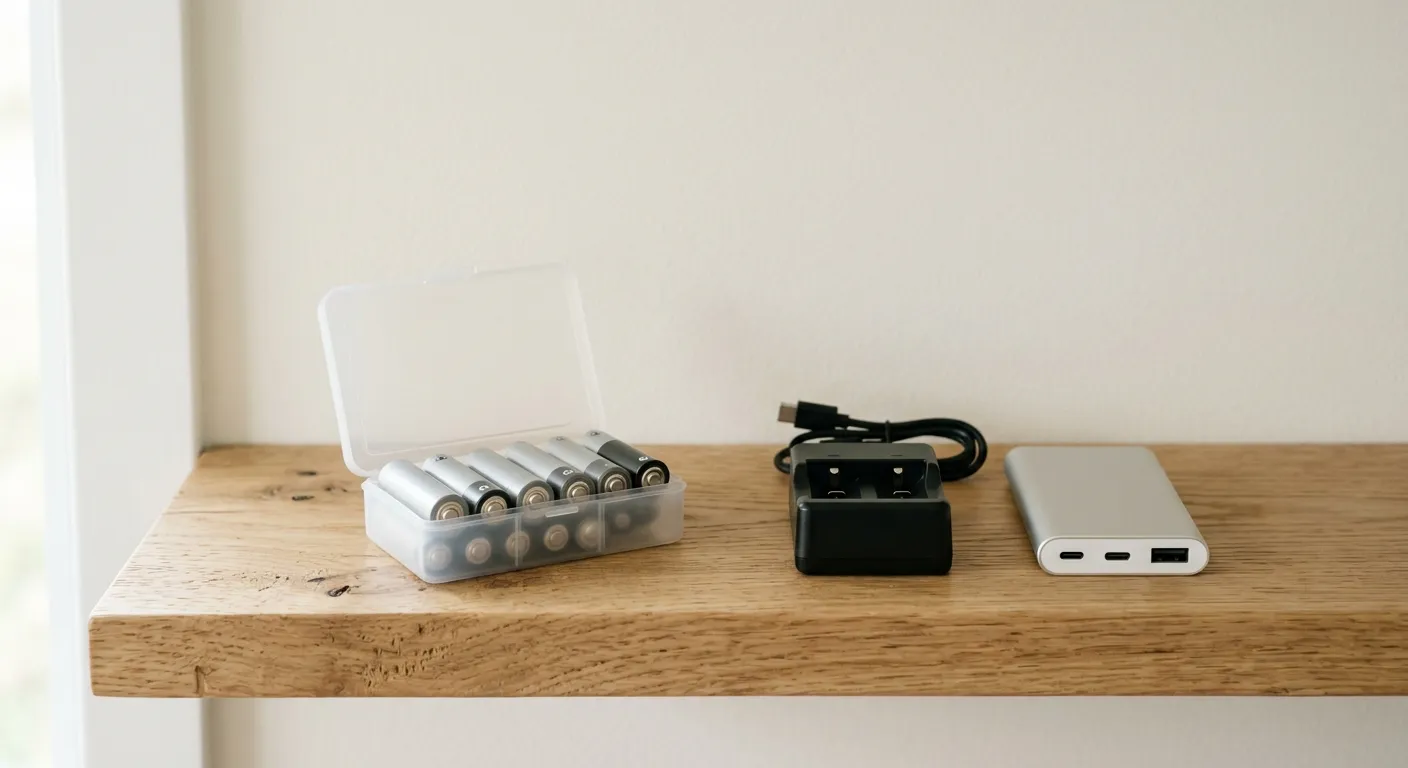
Alkaline, lithium or rechargeable? How long each lasts on the shelf, why batteries should not be left in devices, and how to keep a useful spare stock.
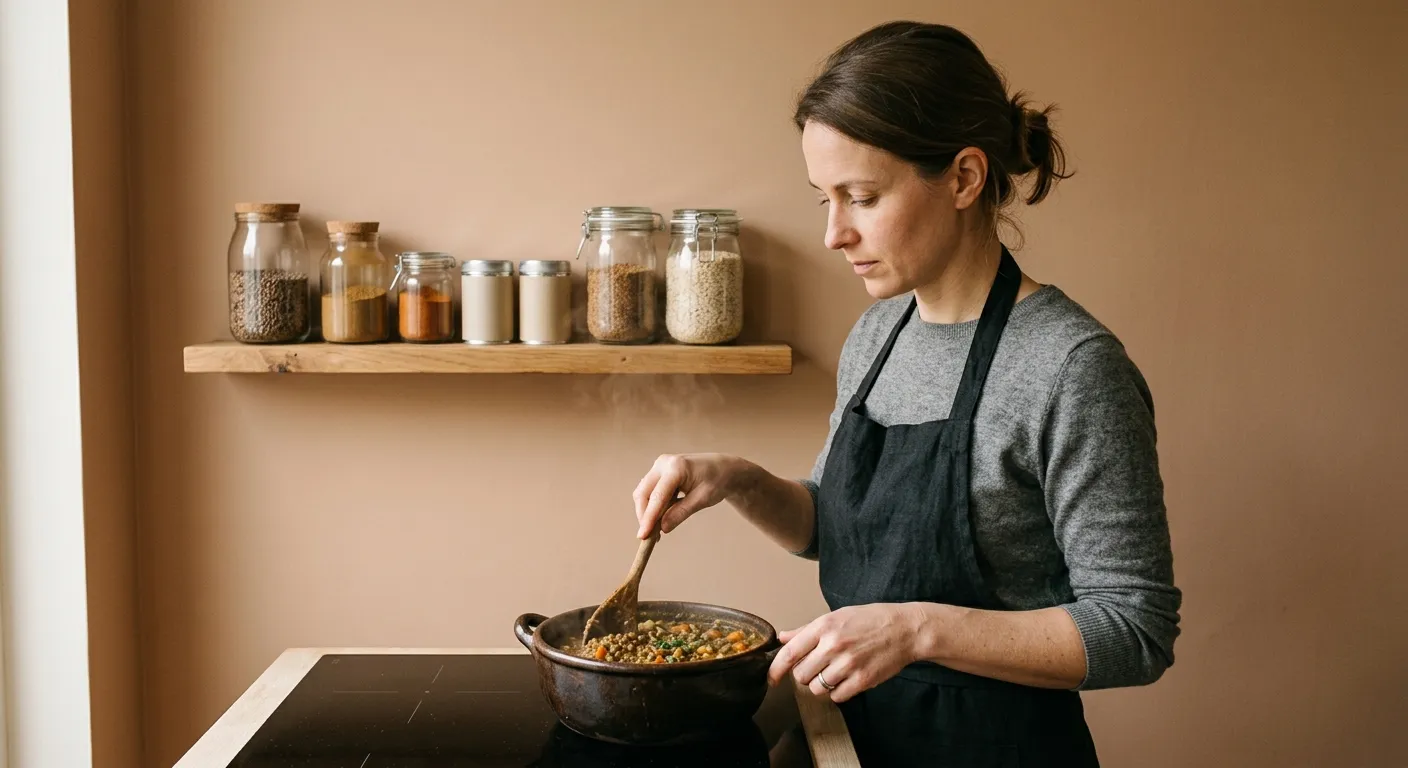
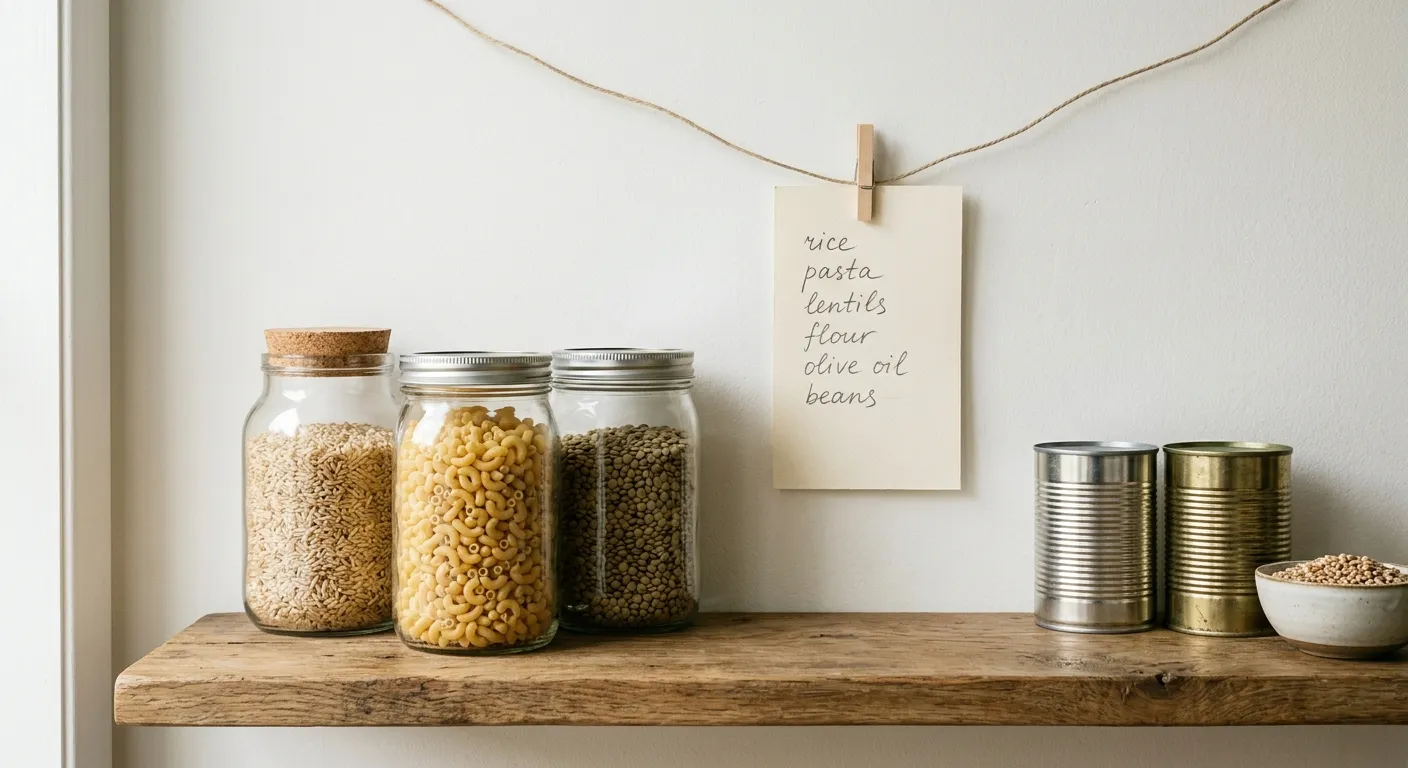
The cheapest way to keep a stockpile is to buy things you cook with every week. Then rotation looks after itself and nothing gets thrown out.
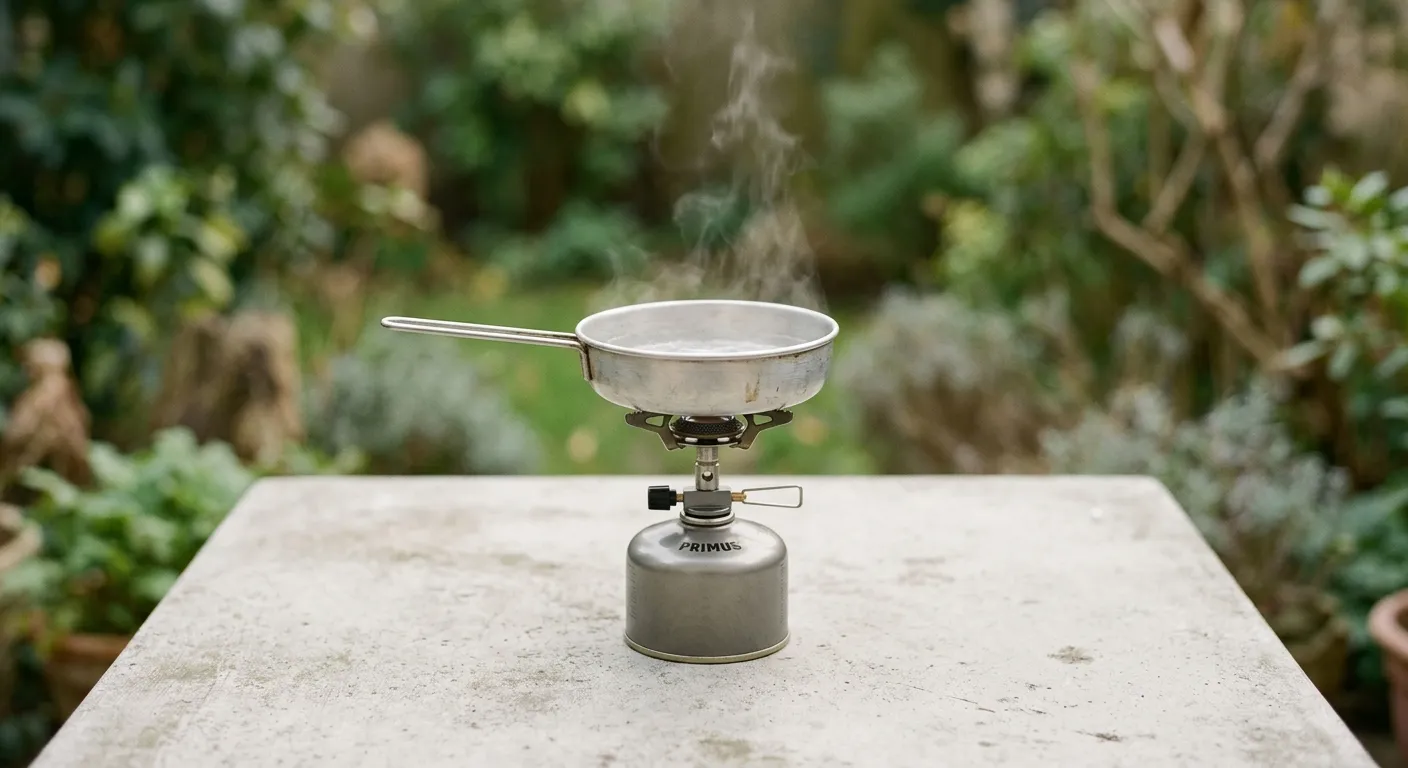
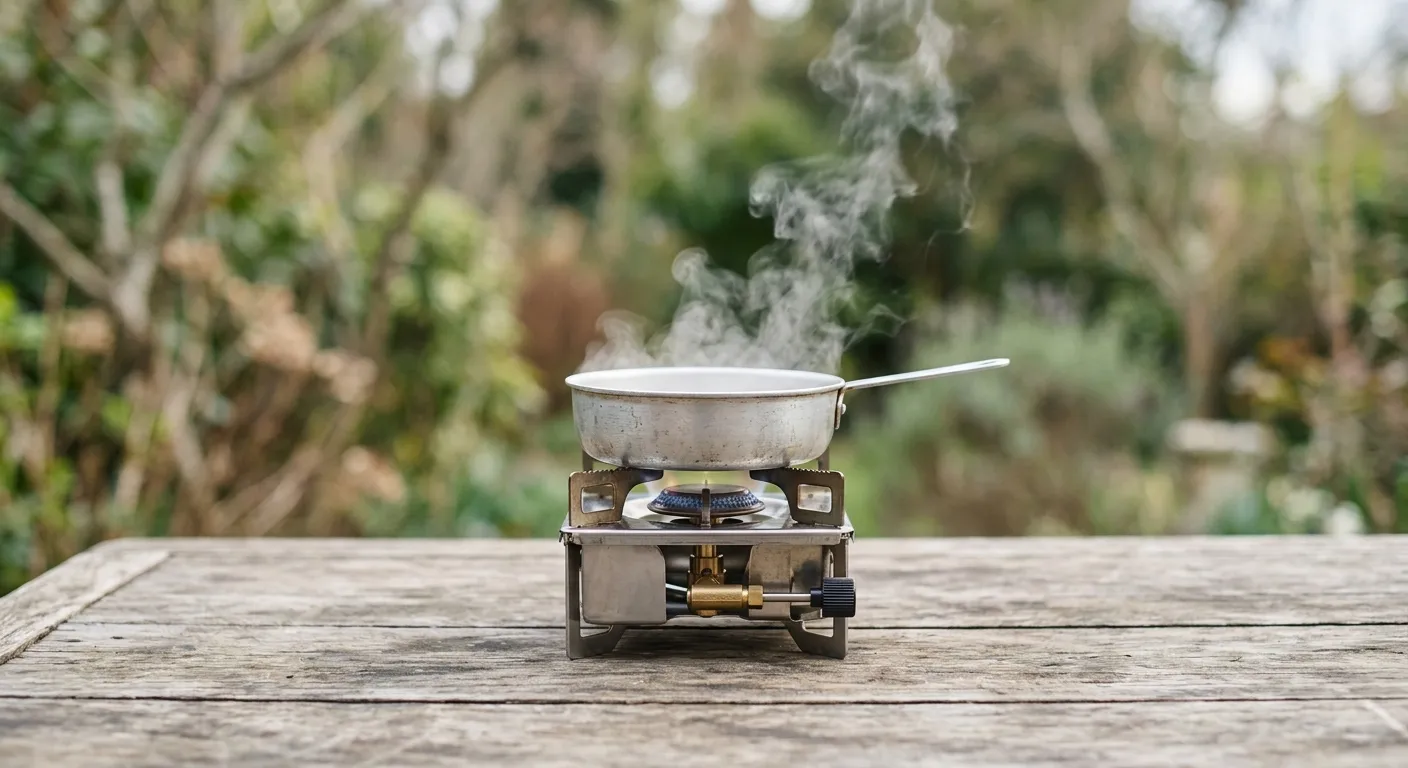
How to cook and boil water when the power or gas is off, which stoves must stay outside, and how to store fuel canisters safely.
How to eat and heat food in a power cut: no-cook meals first, what you may use outdoors, why indoor camping stoves are dangerous, and the official carbon monoxide numbers.
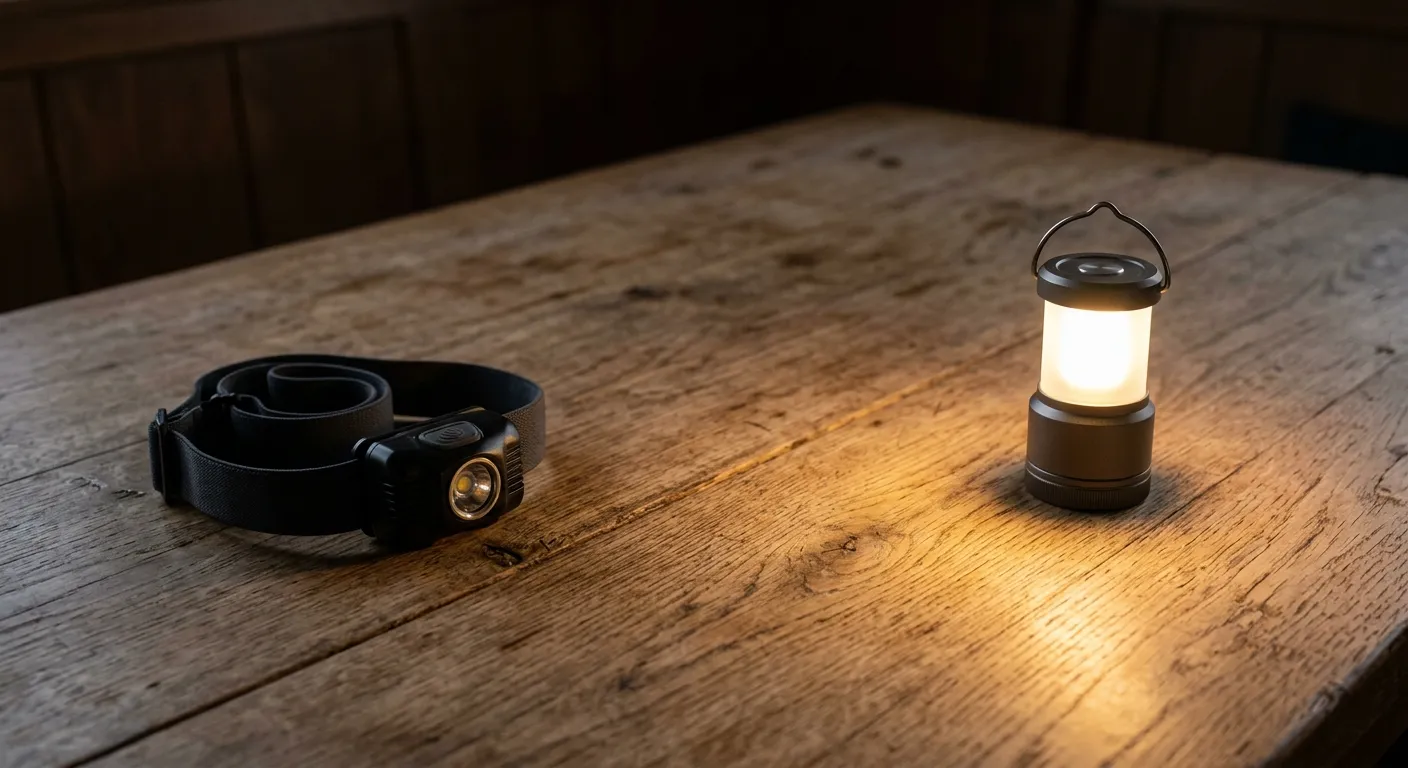
What to keep for a power cut, why torches beat candles, where to put them and which spare bulbs are worth having.
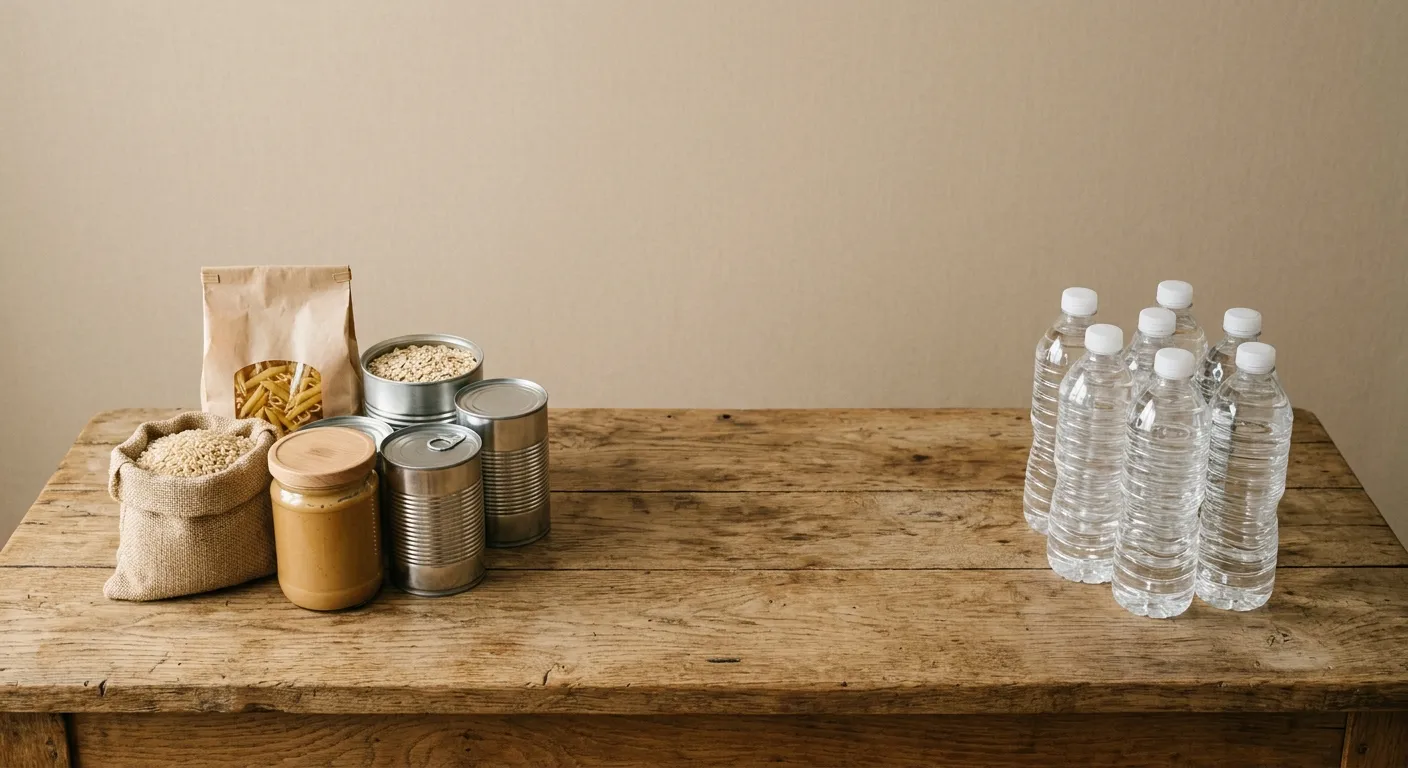
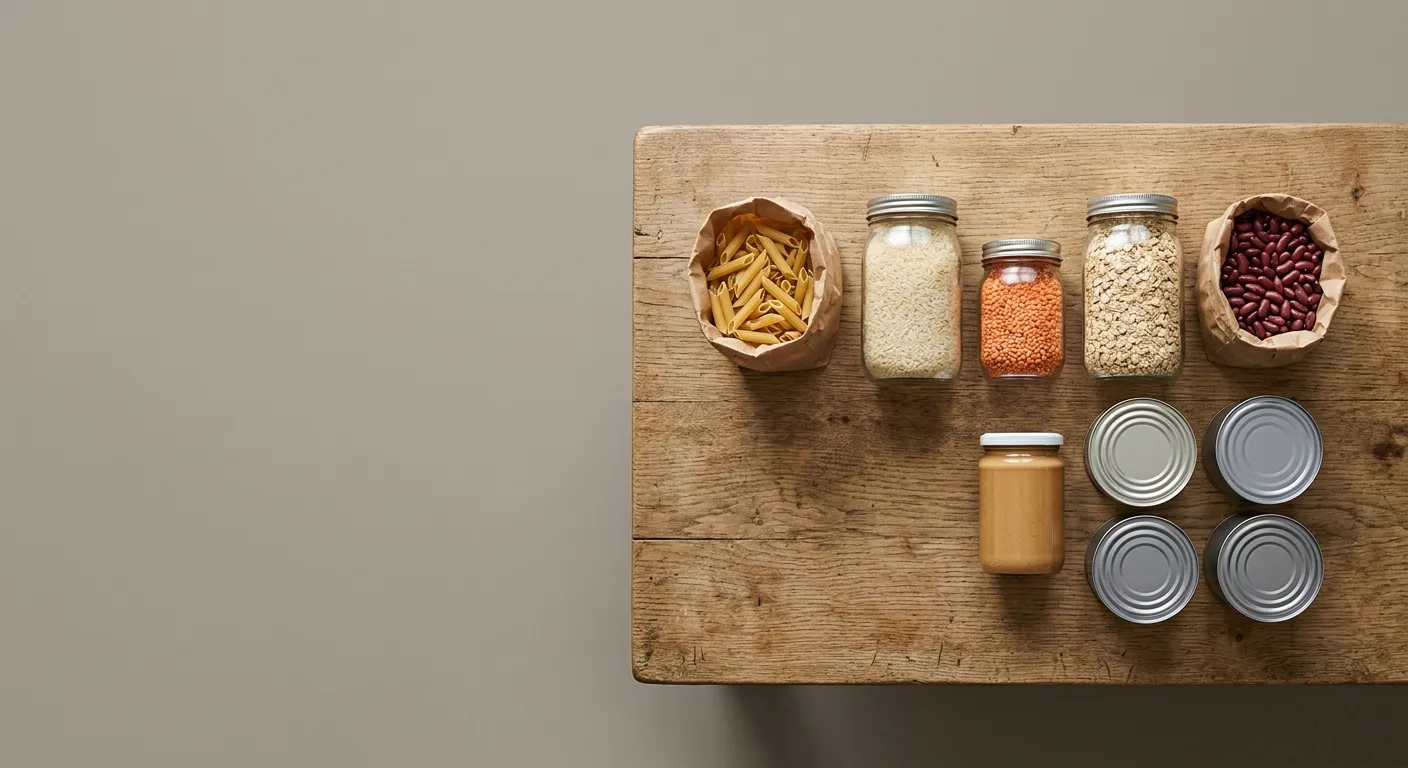
A practical shopping list for a home emergency pantry, with water and food quantities for three days and two weeks, based on Ready.gov and FEMA figures.
First in, first out means the oldest food is used first. How FEMA describes it for a home pantry, how restaurants date-mark for seven days, and a routine that actually gets kept.
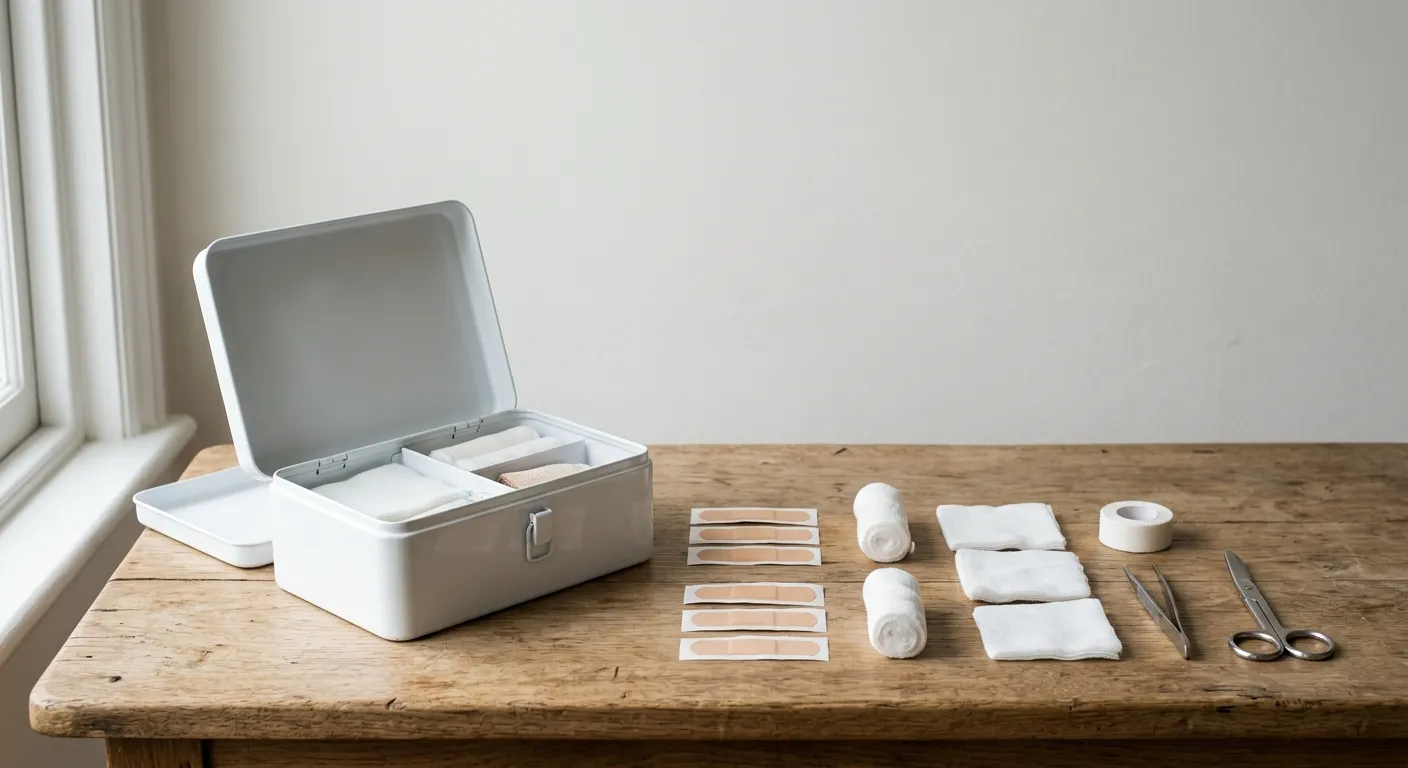
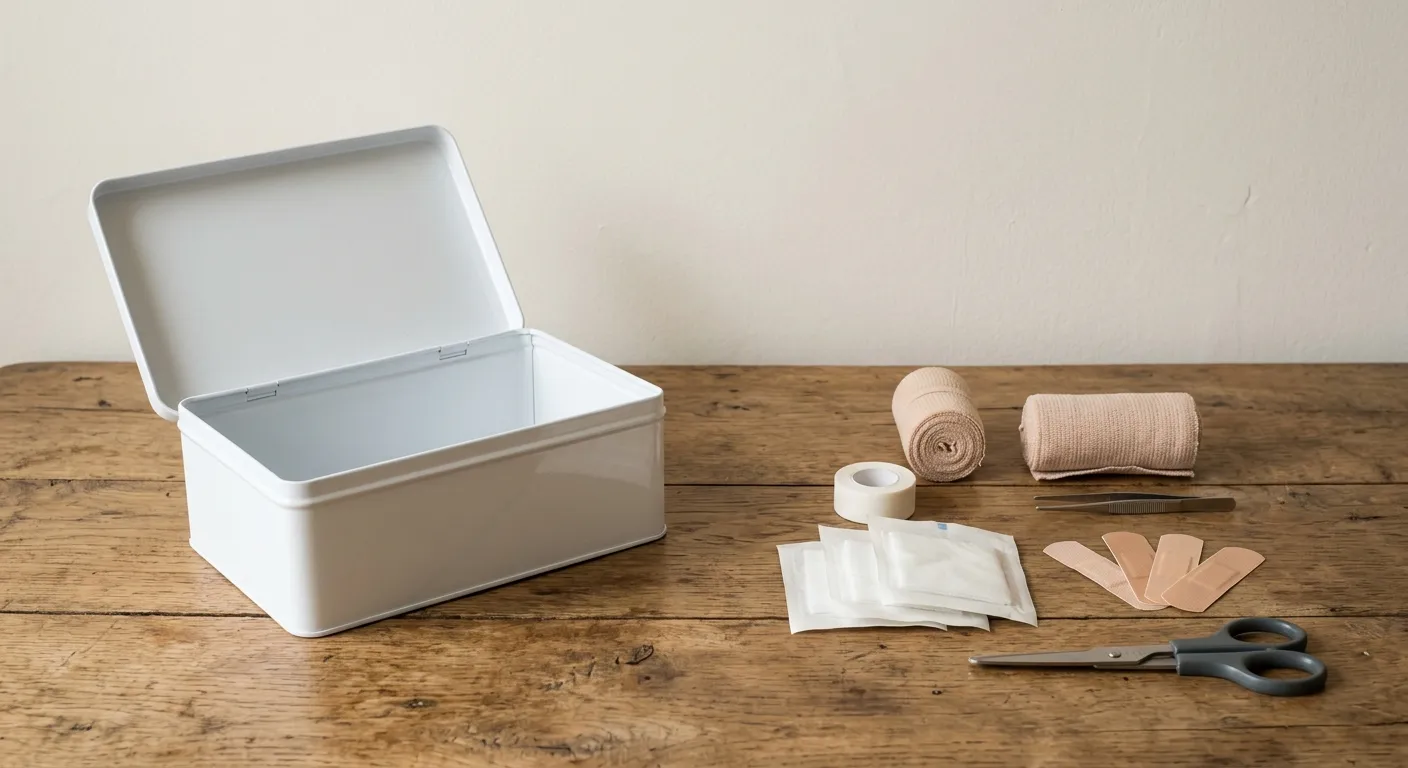
A practical list of what to keep in a home first aid kit, how to check it, and where to keep one at home and in the car.
Start with a week of food you already eat, then build to two. Here is how to work out how much you need, what to buy first and how to keep it from going to waste.
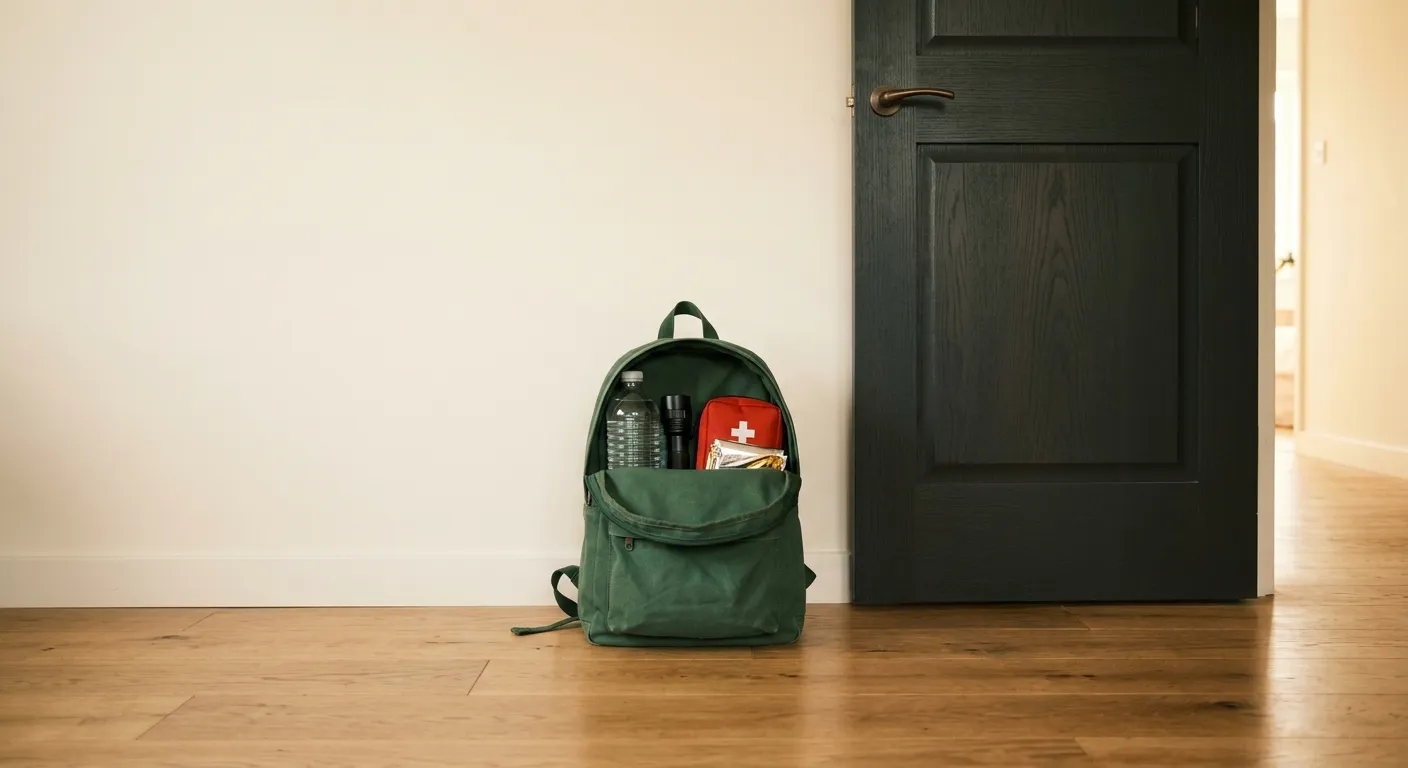
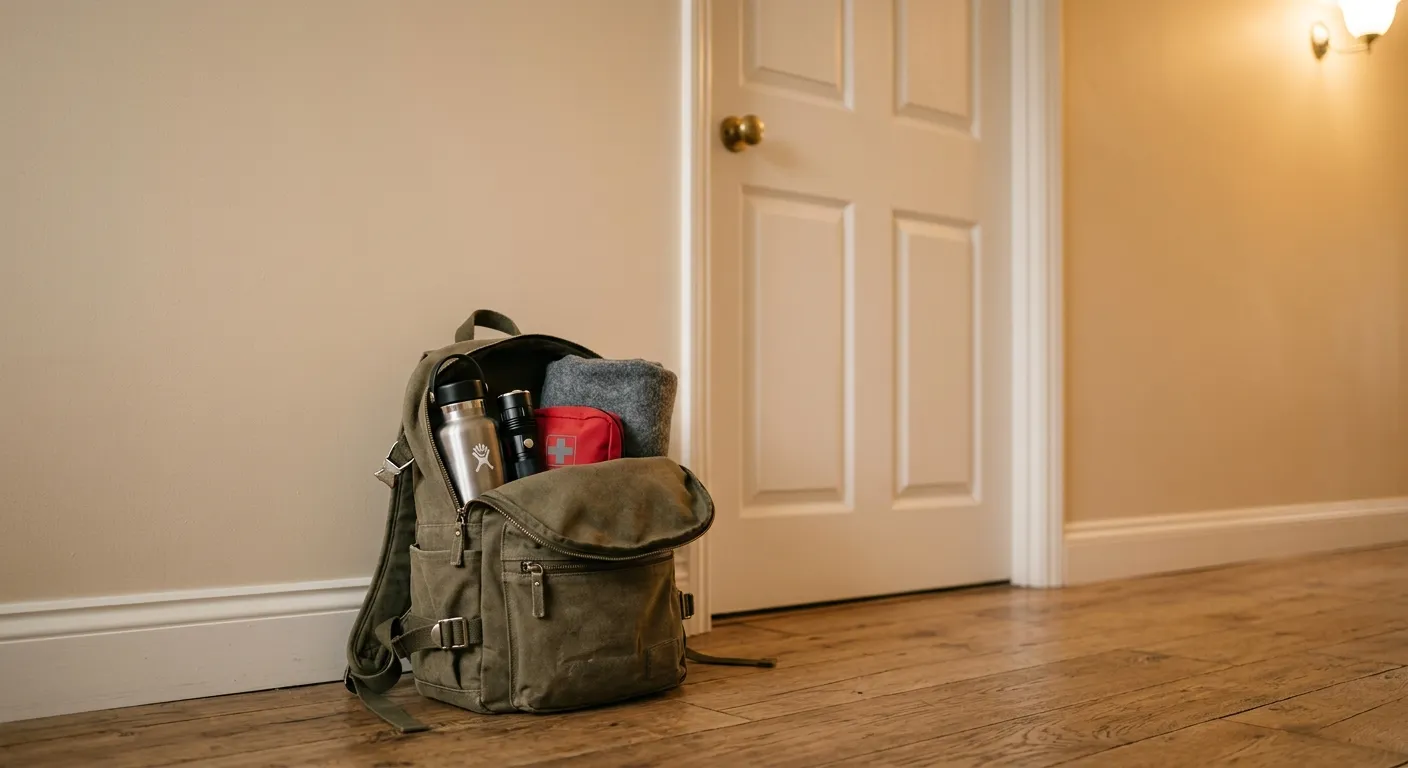
A small kit for leaving home in a hurry, and a car kit for breakdowns and delays. What to pack, how to keep it fresh and where to store it.
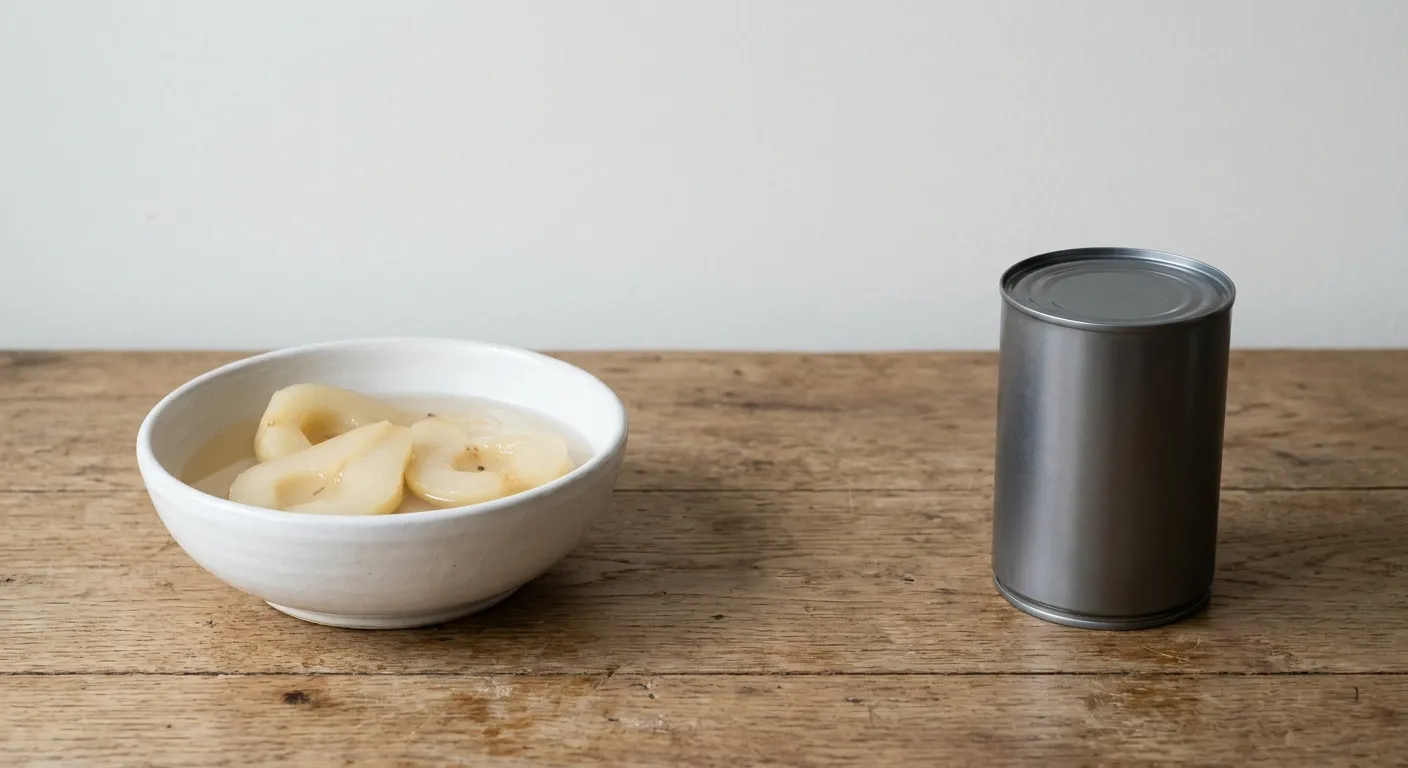
Canned pears are a high-acid food. USDA gives 12 to 18 months unopened for quality; cooler storage stretches that. Figures, vitamin loss, and when a tin of pears should be thrown out.
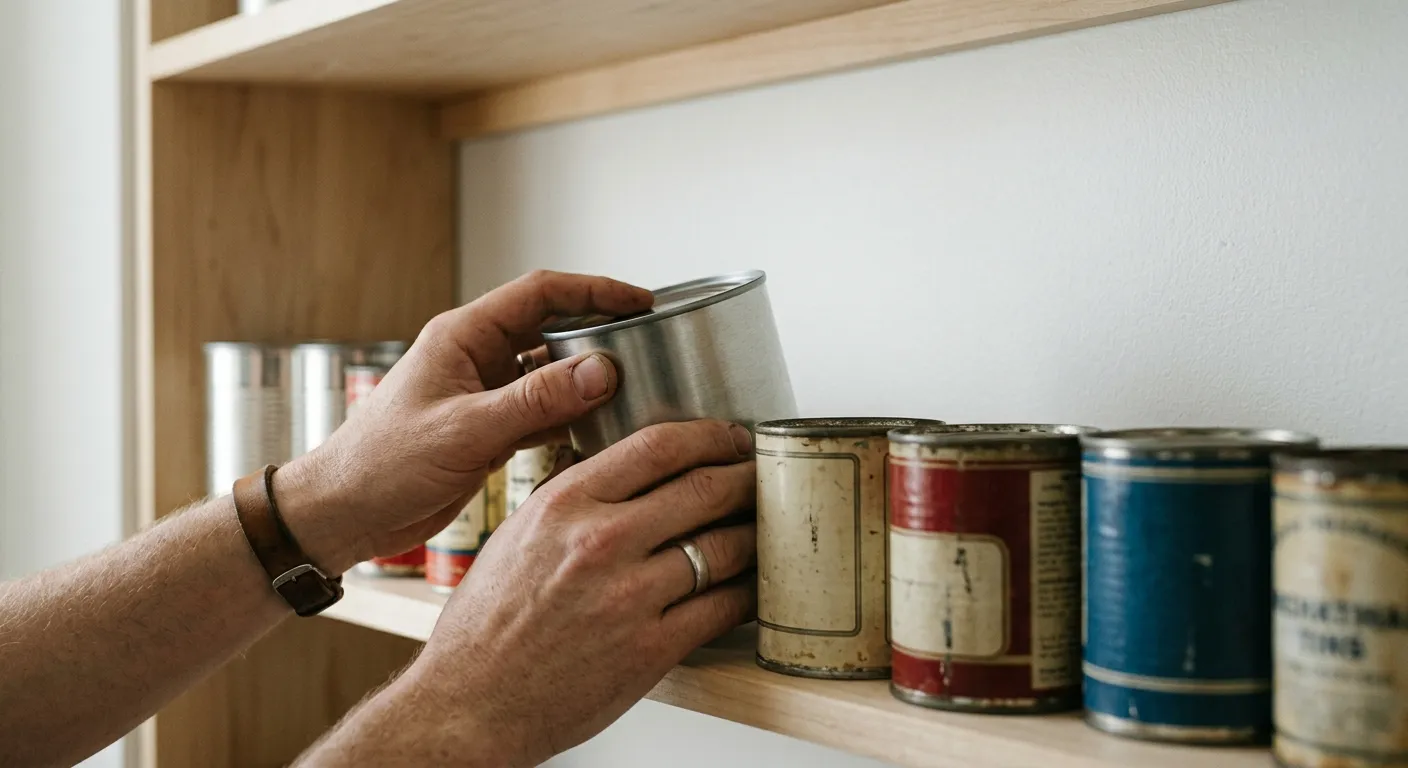
Tinned food outlasts its date by a long way if the can is sound and stored well. Here is what the numbers are, what the dates mean and when to bin a tin.
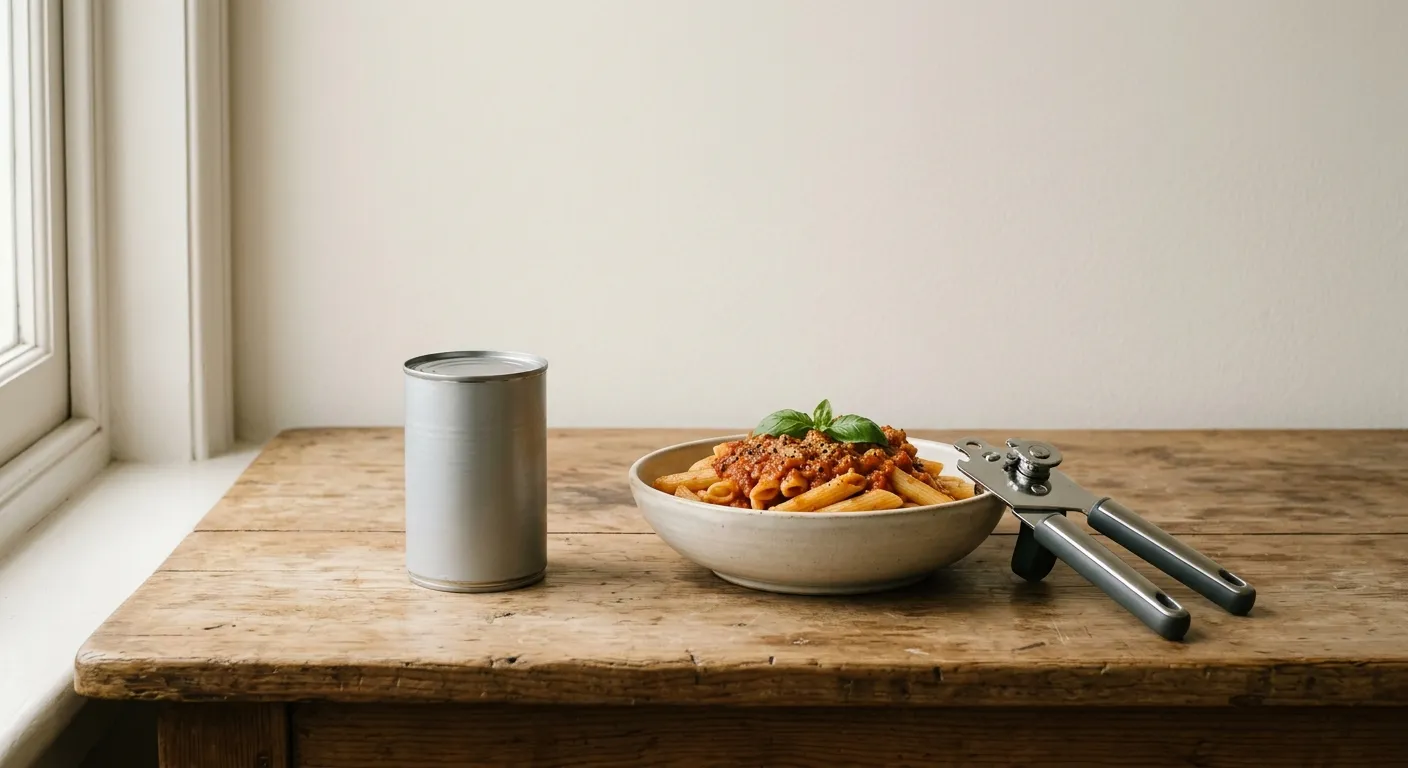
USDA classifies canned spaghetti as a low-acid food: 2 to 5 years unopened if the tin is sound. What that number means, how tomato sauce changes quality, and when to throw the can away.
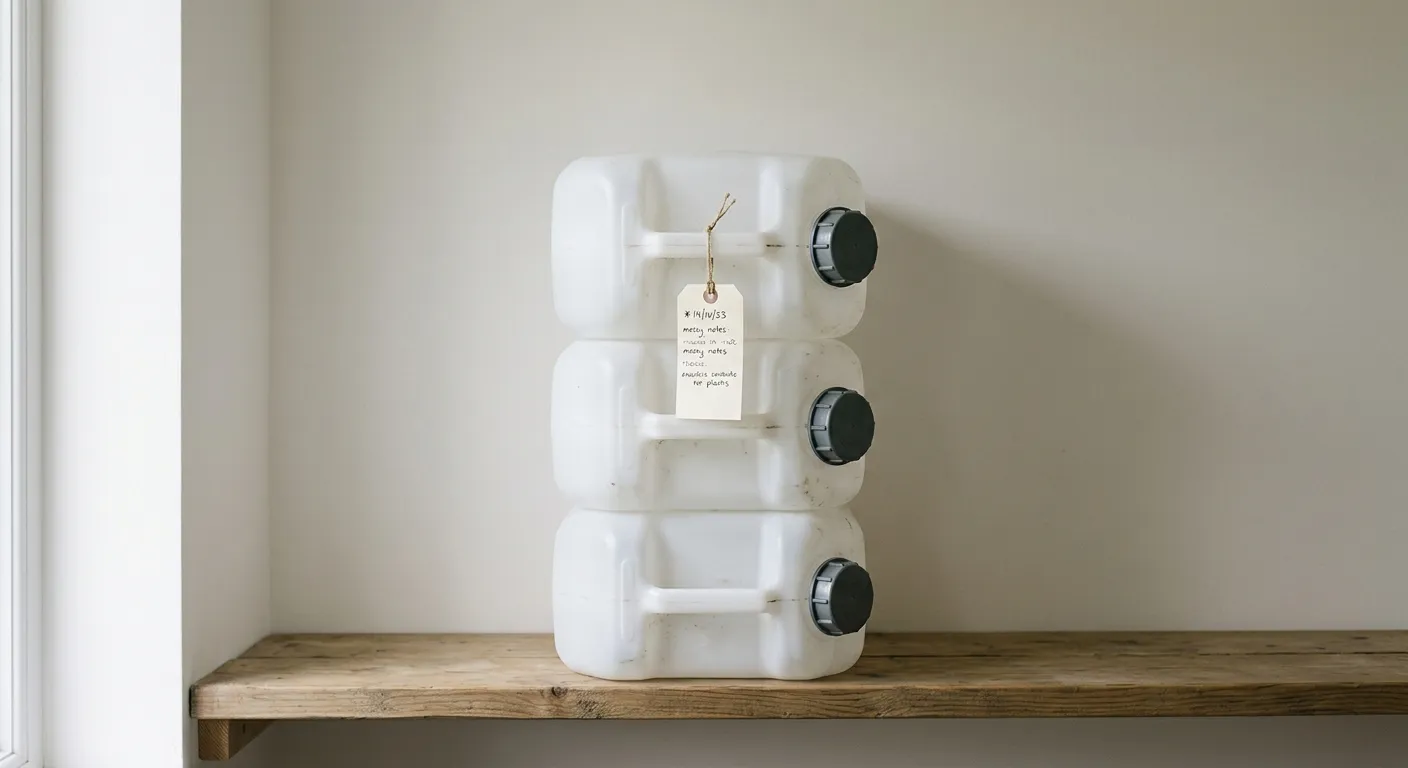
How much water to keep, which containers are safe, how to fill and label them and when to replace what you have stored.
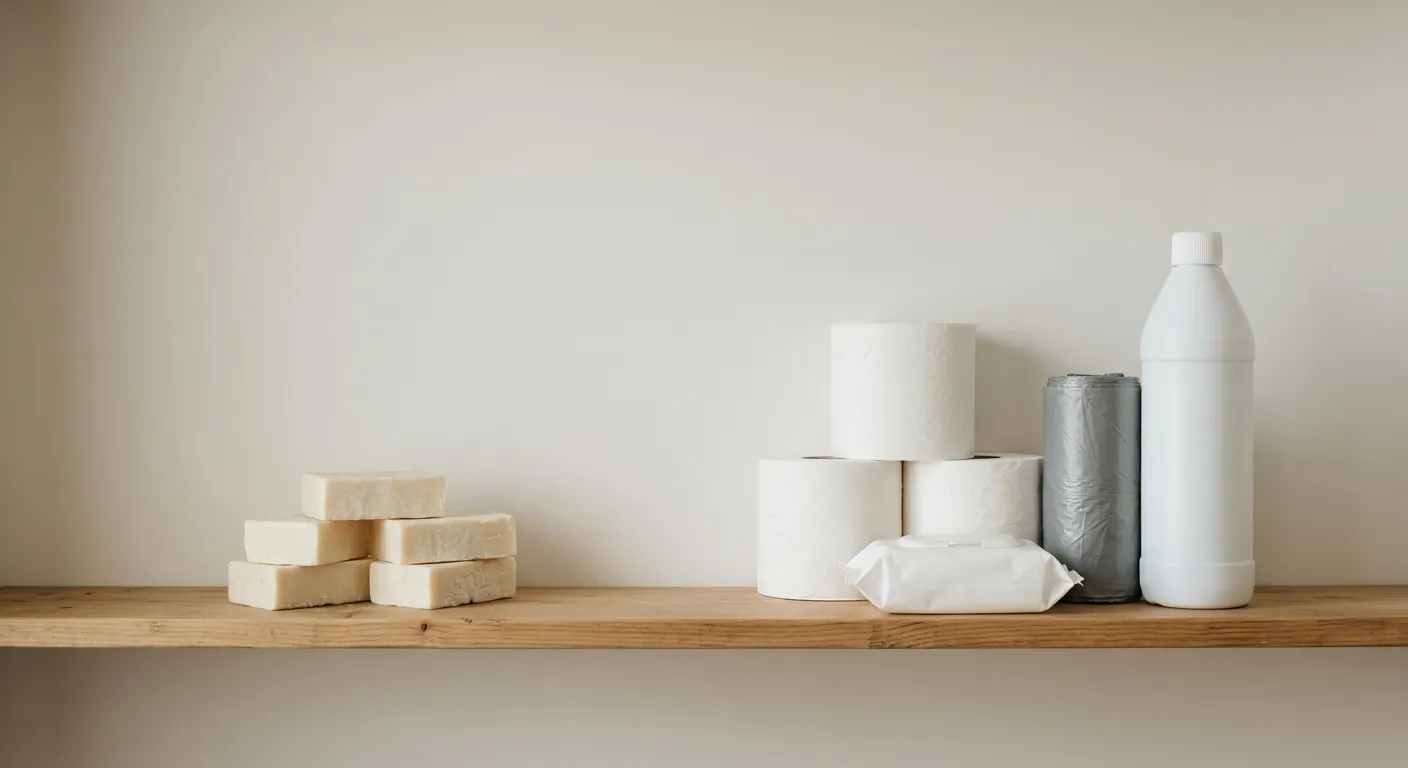
When the water or the drains stop working, clean hands, a working toilet and rubbish that does not pile up matter as much as food. A short, practical list.
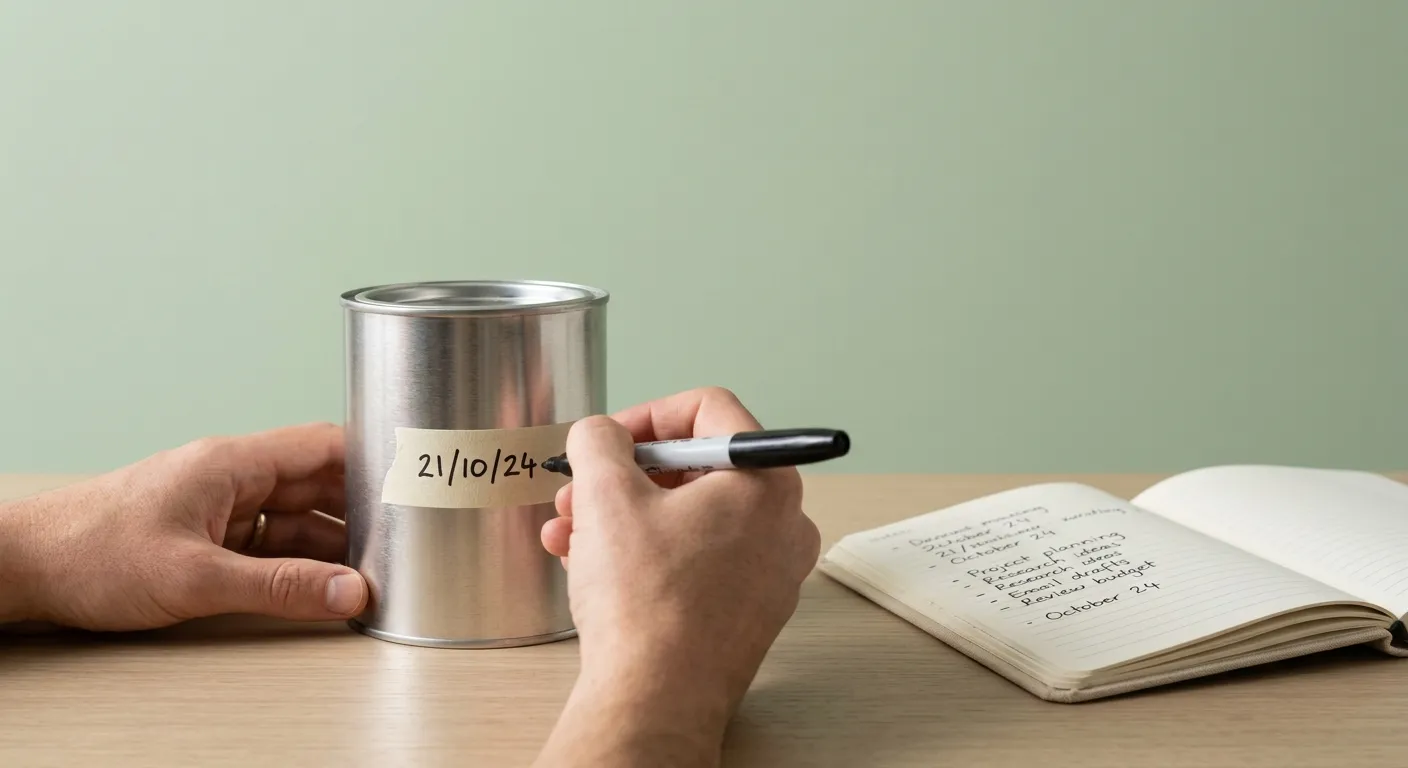
A date on every item and a simple record are enough to keep a pantry under control. Here is what to write, where to write it, and how to track stock on paper or in an app.
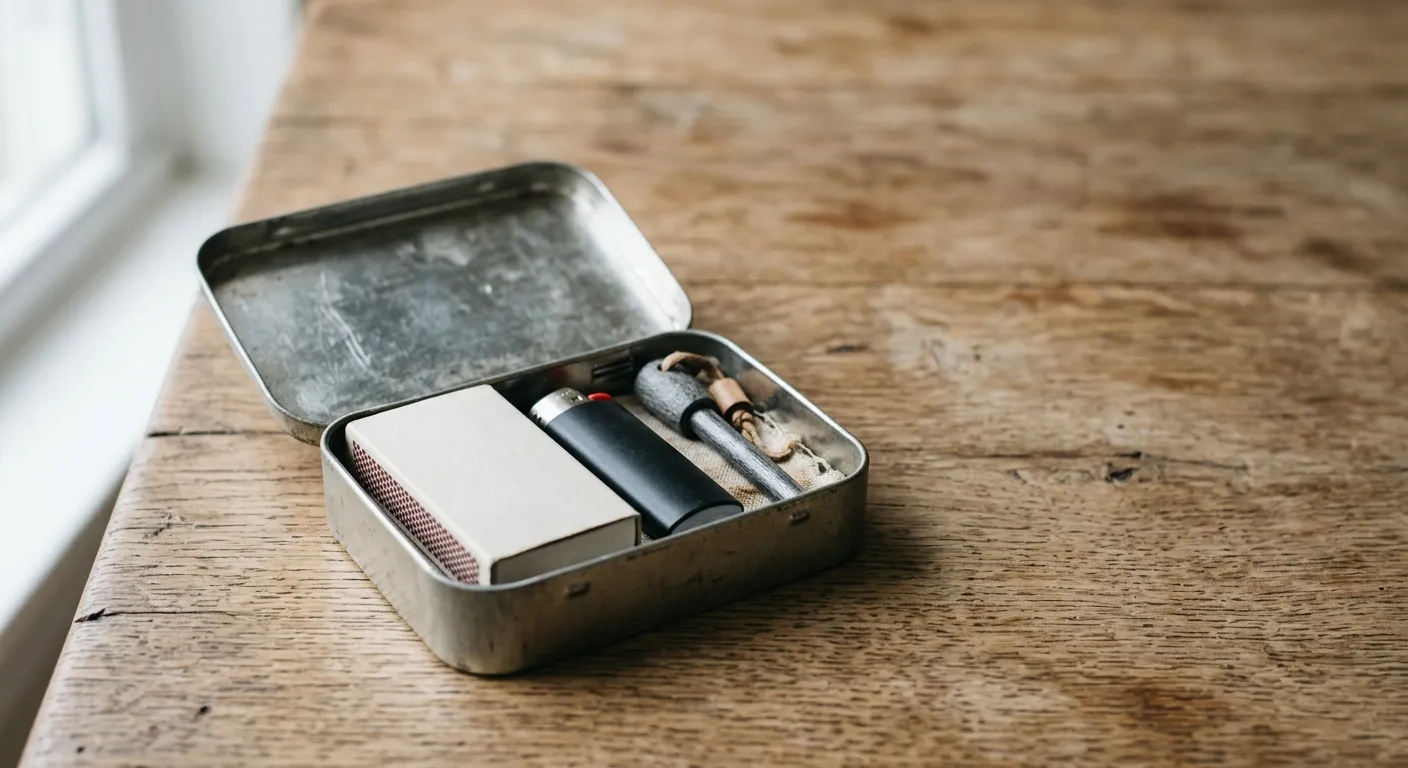
A dry box of matches is still the most reliable way to make fire. How to store them, what backups to keep and the safety rules that matter.
A sensible home medicine cabinet, how to store medicines safely, what to do about prescriptions and how to get rid of what you no longer need.
USP controlled room temperature is 20 to 25 C. Why the bathroom fails that test, what a 2021 household study found, and how insulin and expiry dates actually work.
Rotation is what stops a stockpile turning into a pile of out-of-date tins. Here is a simple way to do it at home, with dates, labels and a routine you can keep up.
Official contents lists with quantities: American Red Cross for a family of four, ANSI/ISEA Z308.1-2021 Class A and B, NHS home items, and the HSE workplace minimum.
A practical shopping list by category, with rough shelf lives, focused on foods that store well, need little cooking and that people will actually eat.
A go bag is a portable kit you can grab if you have to leave home quickly. What it is for, how it differs from a home pantry, and what Ready.gov actually tells you to pack.
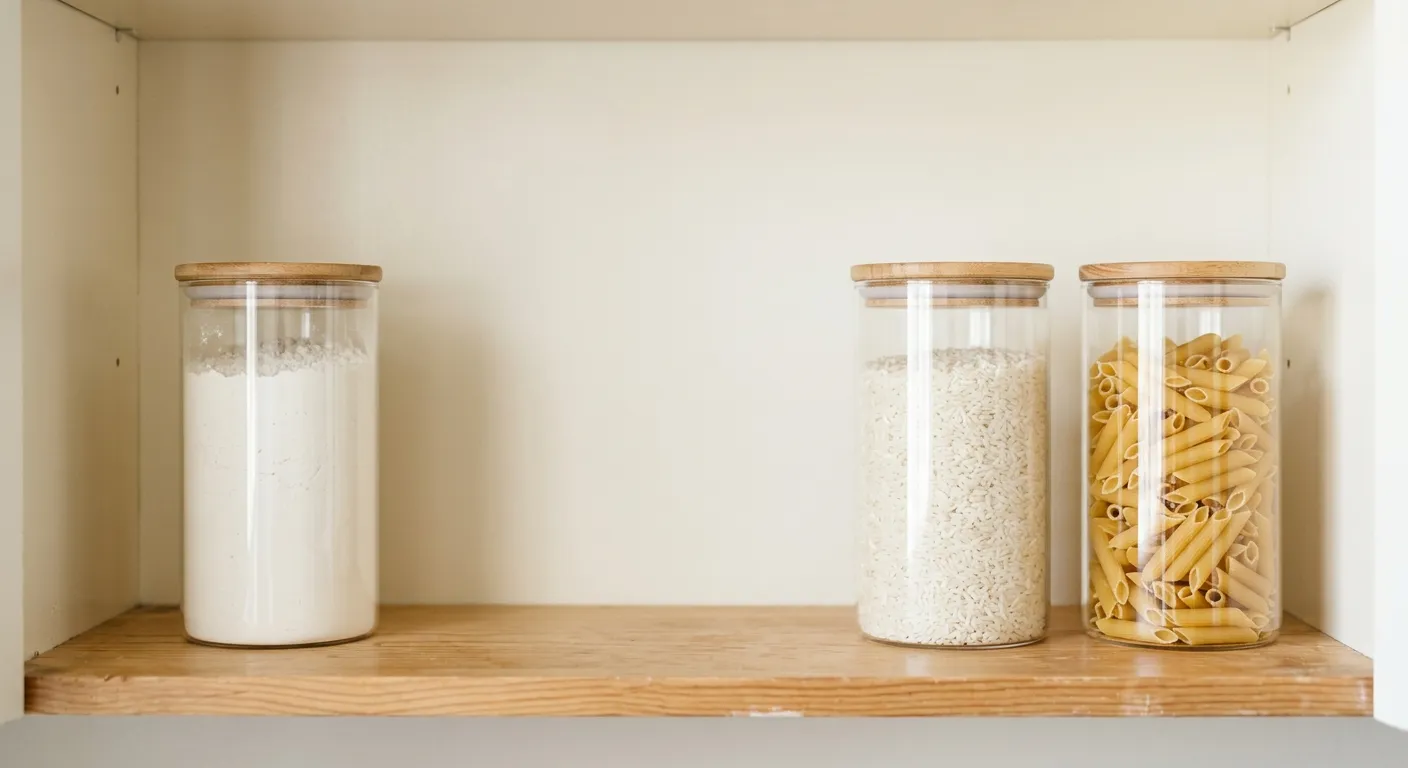
Heat, damp, light and pests do more damage to stored food than time does. How to choose the right spot, even in a small flat, and keep the mice out.
Lithium AA cells currently lead household shelf life at 25 years. Alkaline, coin cells, carbon-zinc and rechargeable NiMH compared with manufacturer figures.